
Ollantaytambo weather and the timing of your visit
Ollantaytambo weather is most useful as a planning guide when you distinguish historical seasonal patterns from the forecast for your actual dates. An older local hazard report describes heavier rainfall from December to March and lower rainfall from May to September. These are qualitative historical patterns. Use them to frame a visit, then consult the forecast and local access advice for the conditions on your chosen day.
Choose your main activity before deciding what the best time means for you. A visit focused on the town and terraces has a different timetable from a regulated trek with camping. A Machu Picchu visit also depends on its booked route and entry time. Put those commitments beside the seasonal pattern rather than using a single month as the answer to every planning question.
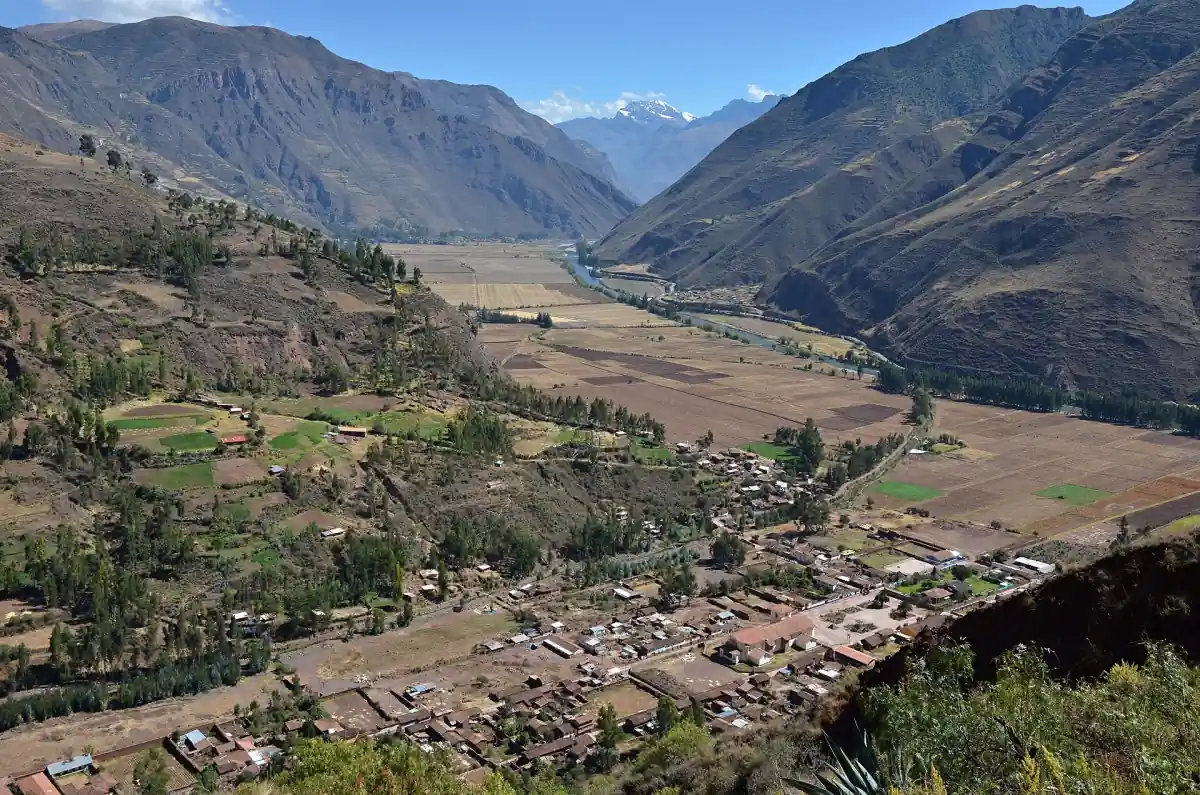
Use the historical seasons as a starting point
If lower historical rainfall is your main consideration, begin by looking at May to September. Then check the forecast and local conditions closer to travel. For December to March, approach the trip with the historically wetter pattern in mind and keep the sequence of outdoor activities adaptable. Neither description gives an assurance about the condition of a path, visibility or a particular departure.
The distinction matters when linking a walk to a fixed train. Keep time for the approach to the station and read the requirements of your booked service, rather than filling the whole day from a seasonal description. The train planning guide explains the journey to Aguas Calientes. From that town, the bus or ascent and the archaeological entrance are further stages.
For the town itself, decide how much time you want for streets and the main complex before adding onward travel. The ruins guide covers the terraces and temple site. Use the forecast for the visit day to review your arrangements; a historical dry season is a climate description rather than a current opening notice.
Our pick: plan an Inca Trail trek
This four-day trek includes permits, making availability relevant when choosing your travel dates.
Hand-picked tours, booked through GetYourGuide. Prices are indicative starting prices in US dollars (as of November 2026). Tap a tour for live availability and the current price in your currency.
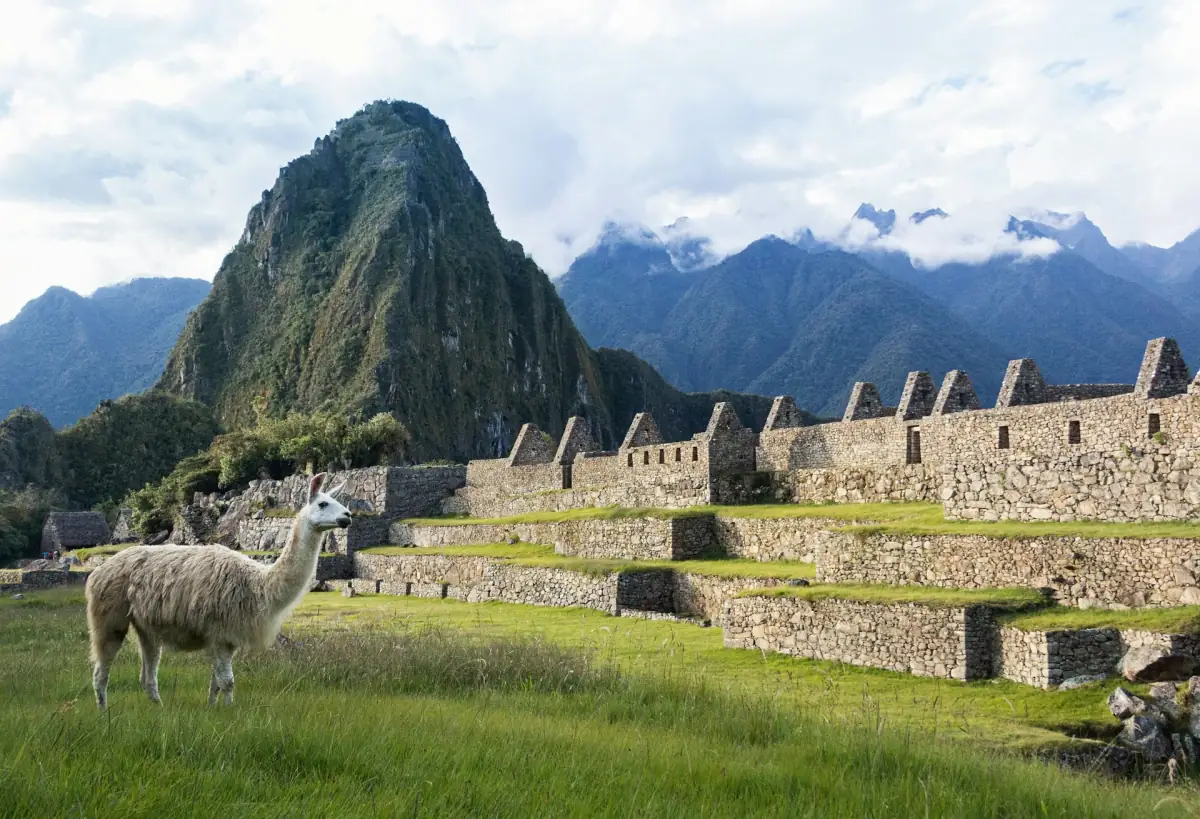
A four-day trek to fit your travel dates
This classic Inca Trail option includes permits, camping and a Machu Picchu Circuit 3 visit; departure availability and access belong to the chosen dates.
Machu Picchu routes have their own season
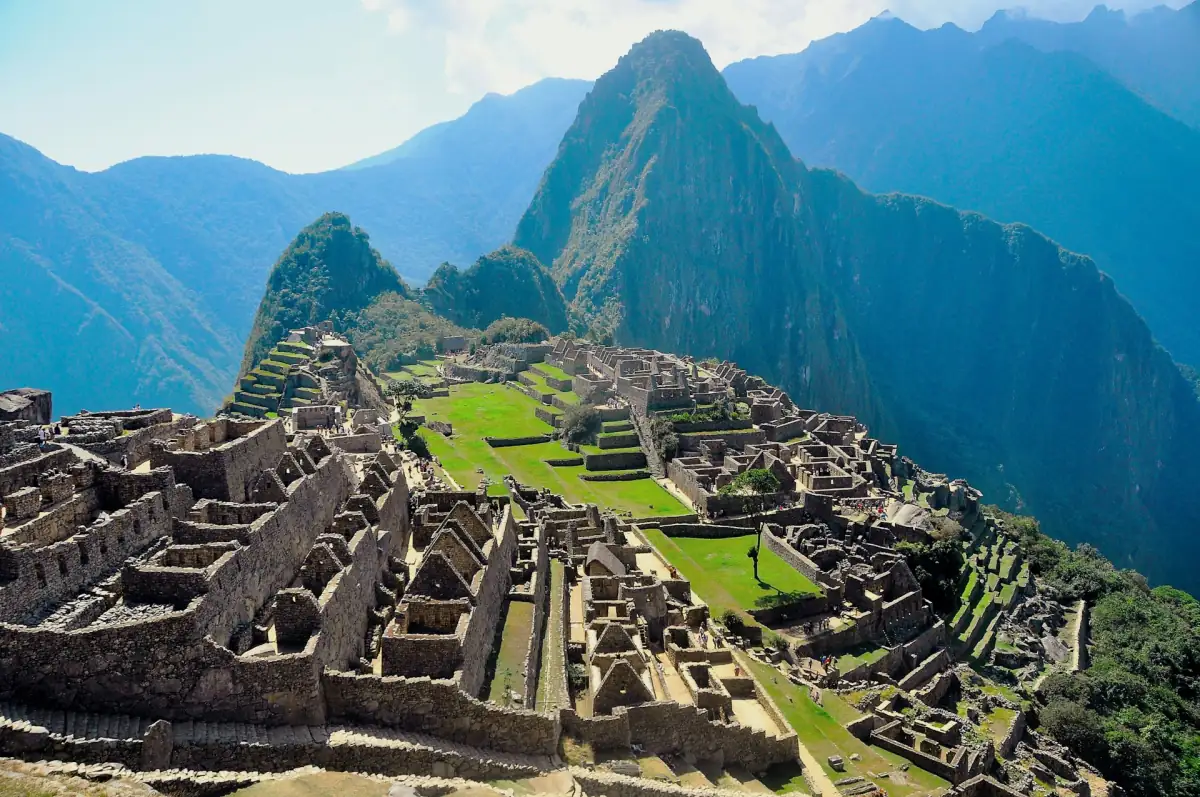
Machu Picchu has three circuits comprising ten routes. The route on your ticket determines the visit: a panoramic route and a route through the city area serve different purposes. Mountain access also belongs to the specific ticket. Decide what you want to see before matching a train or accommodation booking to the entry time.
The route information published on 7 April 2026 describes routes 1-C, 1-D, 3-C and 3-D as available only in high season. That is a visitor calendar, not a weather measurement. A seasonal route still depends on its operating arrangements and ticket availability for the date. Use the Machu Picchu package guide to compare the actual ticket and transport arrangements of a journey.
Inca Trail maintenance and the trekking option
The classic route starts at Km 82 and follows a regulated trail with control points and designated campsites. In 2026 the announced maintenance closure ran from 1 to 28 February, with reopening announced for 1 March. That was a completed closure of the trail network. For a future trek, use the notice applying to your travel year and the available departure dates; the February 2026 event is not a future closure calendar.
The four-day trekking option presented here includes an Inca Trail permit, a trekking guide, hotel pickup and drop-off, tents based on double occupancy, meals during the hike and a Machu Picchu Circuit 3 ticket. An in-person briefing takes place at 18:00 on the preceding day. Sleeping bag, air mattress and trekking poles cost extra. Return rail travel is included, with the train class dependent on the travel date and booked arrangement. Read the Inca Trail guide for the fuller comparison.
Leave room for the arrival day
When putting the itinerary together, allow for a gradual start rather than immediate strenuous activity. Fitness does not reliably prevent altitude illness, and a stay in the Sacred Valley does not guarantee acclimatisation. Allow for your individual response to altitude when choosing activities as well as travel dates. Keep the first activities compatible with how you feel and seek medical help for persistent severe headache, nausea or breathlessness.
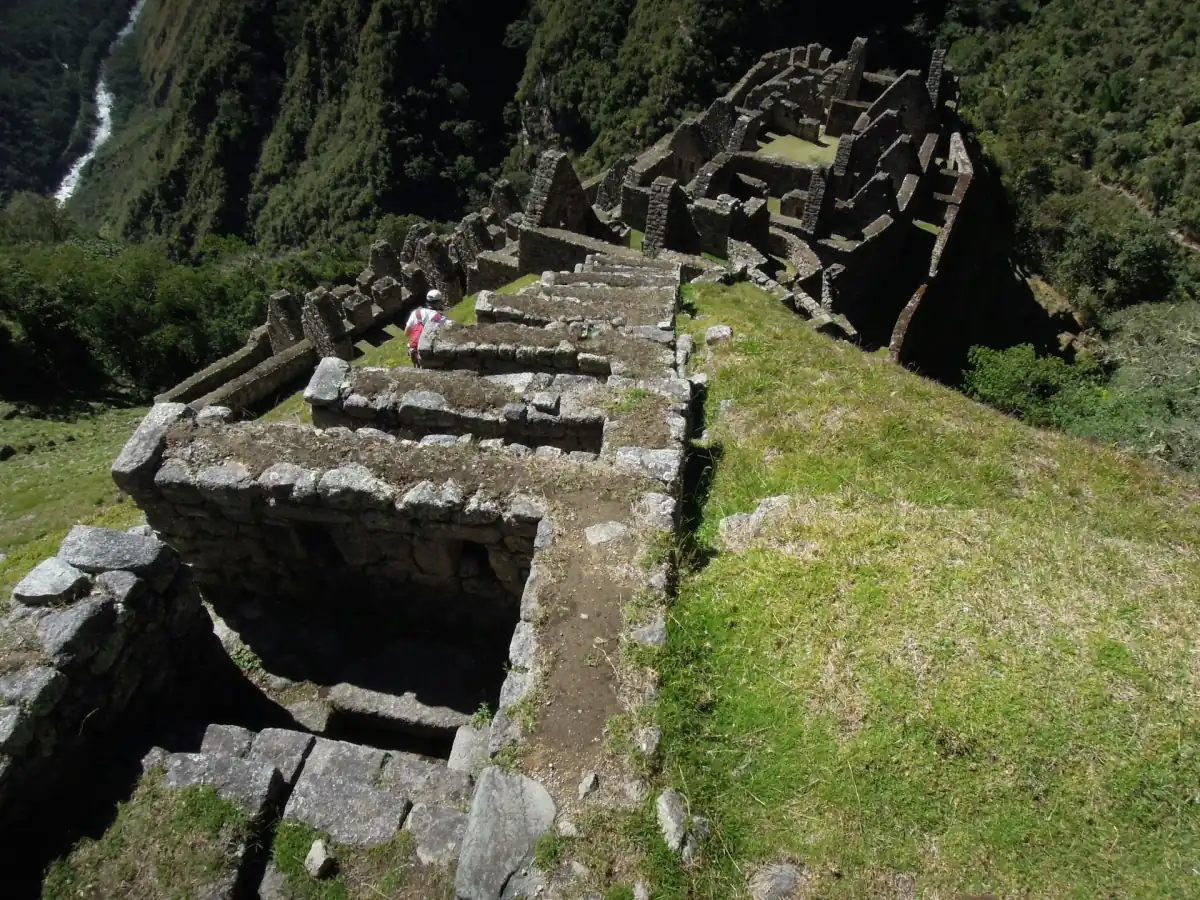
Plan the classic Inca Trail
Permits, camping and the arrangements that belong to a regulated trek.
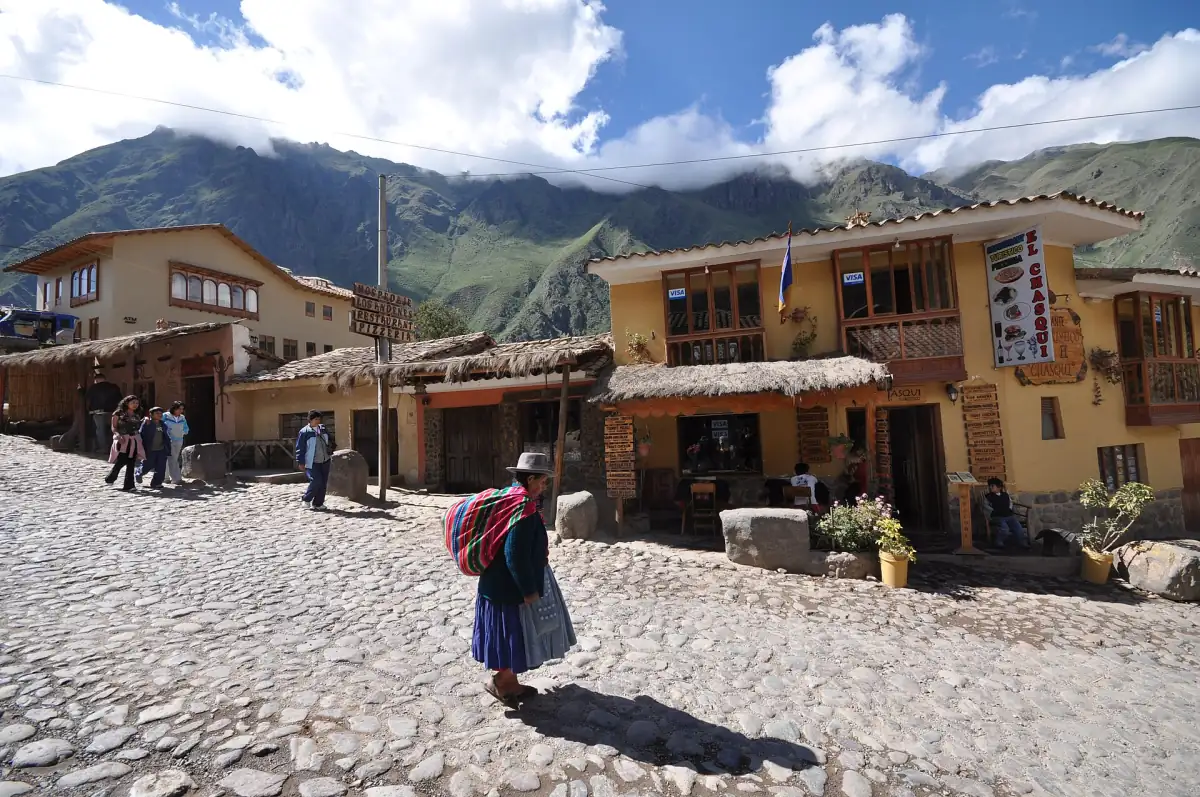
Choose your overnight location
Match the historic centre or station area to your travel sequence.
Compare Machu Picchu journeys
Look at the actual circuit, start point and included transport.
Weather and visit timing questions
When is Ollantaytambo historically drier?
The older local seasonal description identifies May to September as having lower rainfall. Use this as historical guidance, then consult the forecast for your travel dates.
Does high season mean dry weather?
The Machu Picchu high-season route calendar concerns visitor access. Weather and the condition of a path need to be considered separately.
Does the February trail closure apply to my future trip?
The dated notice concerned 1 to 28 February 2026. For another year, check the notice and departure availability relevant to that year.
What is included in the trekking option?
The four-day option includes permits, guiding, camping and a Circuit 3 visit. Sleeping bag, air mattress and poles are extra; choose dates with the preceding evening's briefing in mind.