
The classic Inca Trail from Km 82
The classic Inca Trail begins at Piskacucho, also written Piscacucho, at railway kilometre 82 near Ollantaytambo. The route is approximately 43 kilometres and usually takes four days with three nights of camping, reaching Machu Picchu through Intipunku. This page compares two organised versions of that classic walk. Short Km-104 routes and Inca Jungle trips have different approaches and should be compared as separate experiences.
Ollantaytambo is a useful point for understanding the route: Km 82 lies approximately 20 kilometres from town according to the tourism inventory. It remains a separate trailhead reached by the tour transfer. Arrange your accommodation around the actual pickup and the previous evening's briefing, rather than treating a town stay as permission to arrive directly at the control point.
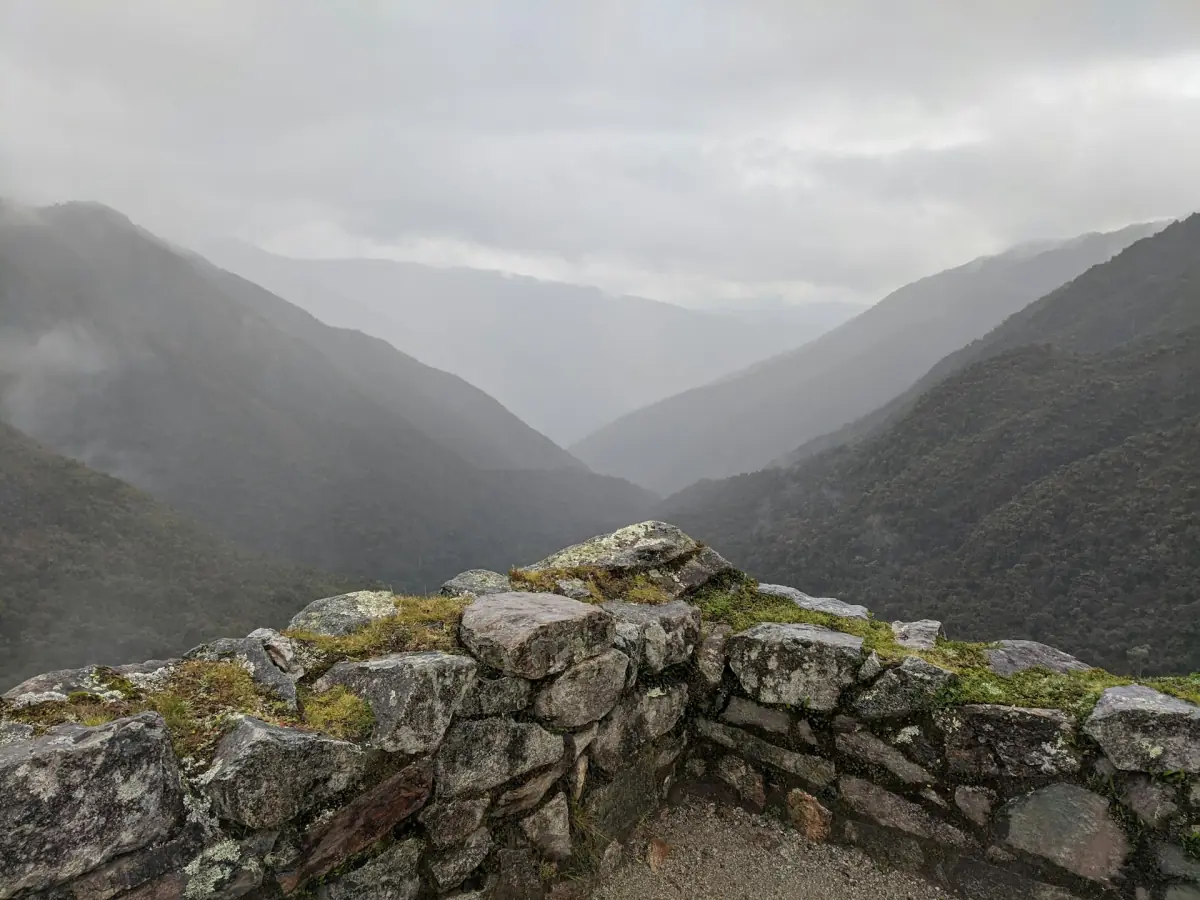
Our picks: classic Inca Trail treks
Both four-day treks include permits and camping. Compare the included Machu Picchu circuits and confirm availability before choosing a date.
Hand-picked tours, booked through GetYourGuide. Prices are indicative starting prices in US dollars (as of November 2026). Tap a tour for live availability and the current price in your currency.
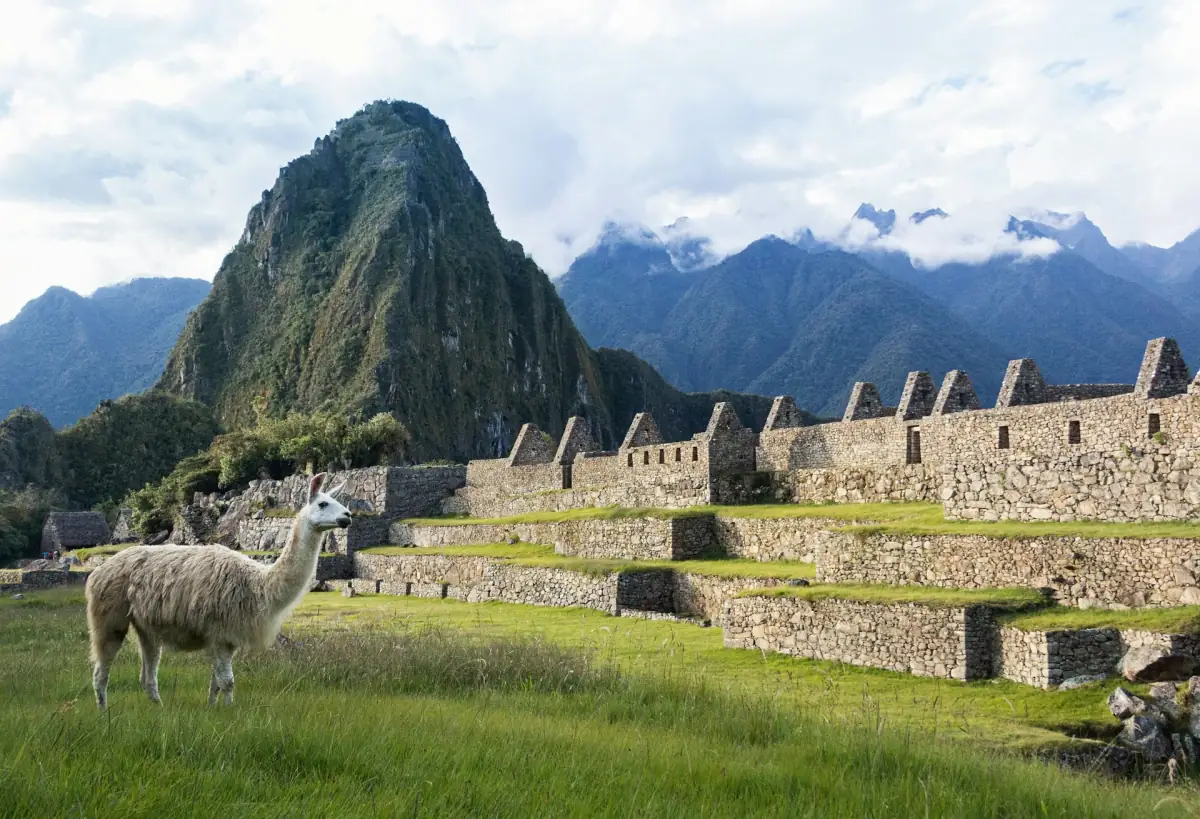
Classic Inca Trail with permits
- Permits for the Inca Trail
- Entry ticket for Machu Picchu Citadel (circuit 3)
- Personal porter up to 7kg per person
The route reaches Km 82 after breakfast in Ollantaytambo; camping is included. Permits depend on availability, and mountain entry, sleeping bag and insurance are extra; confirm the return train class for your date.
Check availability →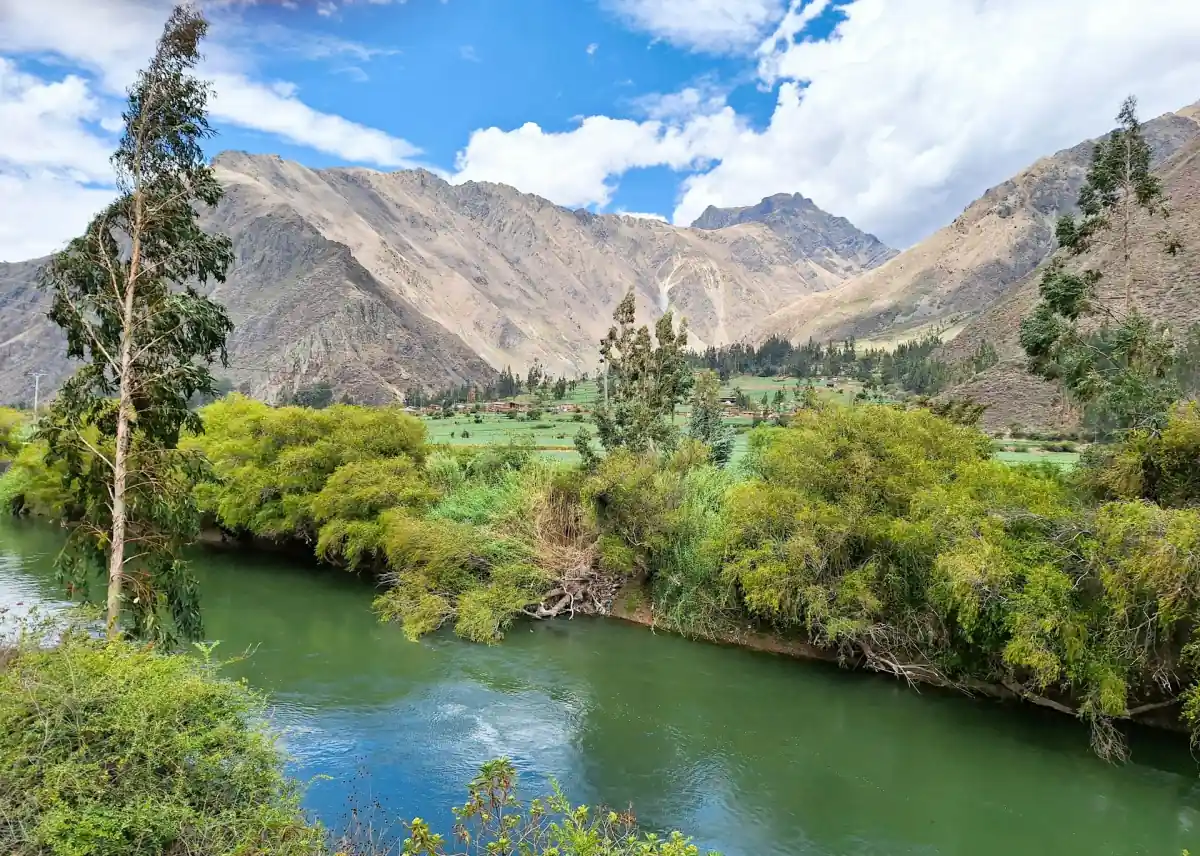
Classic Inca Trail with camping
- Entrance tickets to the Inca Trail and Machu Picchu (circuit 1 and 3)
- Porter service for camping gear and up to 7 kg (15 lb) of personal items
- 3 nights at campsites
The trek starts at Km 82 and has a briefing the day before. Mountain entry, sleeping bag and insurance are extra; permits are subject to availability.
Check availability →Two classic four-day Inca Trail treks
Both options include permits and camping; compare the briefing, sleeping equipment, Machu Picchu circuit and return train arrangements.
Permits, passport and the evening briefing
Plan the permit with the trek booking and your visitor identity. The official direct-sale system links trail admissions to confirmed payment and named visitors. Carry your original passport and use the registered details consistently across the trek and return transport. A place to sleep in Ollantaytambo and a ticket for the railway are different arrangements from entry to the regulated trail.
The camping trek with Circuits 1 and 3 includes a safety briefing the day before departure. Its pickup is from a hotel in Cusco or the Sacred Valley, with the precise address and time to be agreed. The trek including Circuit 3 has an in-person briefing at 18:00 on the previous evening at the local office. Confirm that office location and the pickup arrangements when fitting the trek into your stay.
Use an authorised operator and follow registration at control posts. Stay on the marked route and use designated campsites and sanitary facilities. The four-day itinerary is a regulated walking journey, so permits and overnight arrangements belong together from the outset.
How the two camping packages differ
Camping with Circuits 1 and 3
This four-day option includes trail and Machu Picchu tickets specifying Circuits 1 and 3, a bilingual guide, cooks and porters. It provides three camping nights, four breakfasts, three lunches and three dinners, together with snacks and purified drinking water. Porter service covers camping equipment and up to seven kilograms of personal items, with a personal duffle bag provided.
Tents are shared by two people. A sleeping pad, pillow, rain poncho and private portable toilets are included, as are hotel pickup and drop-off, the bus from Machu Picchu to Aguas Calientes and the listed panoramic return train. A sleeping bag, air mattress and trekking poles are rental extras. Lunch after the final day's site visit and travel insurance are also extra.
Camping with Circuit 3
The other four-day trek includes the trail permit, Machu Picchu Circuit 3 admission, a trekking guide, hotel pickup and drop-off, and tents based on double occupancy. Meals are four breakfasts, three lunches and three dinners. A personal porter allowance of seven kilograms, a portable chemical toilet, the final-day bus to Aguas Calientes and a return train ticket are included.
Its train conditions vary by travel date: the dated terms specify a panoramic service through January 2027 and a standard service from March 2027 onward. Match the return train to the dated option instead of selecting on a general train label. Sleeping bags, air mattresses, poles, day packs and headlamps are extra. Travel insurance and mountain admission are separate considerations.
Mountain terrain, access and the final visit
Prepare for a multi-day mountain walk rather than a station-to-site transfer. Fitness does not reliably prevent altitude illness, and staying in the valley does not guarantee acclimatisation. Allow for gradual adjustment and seek medical help for persistent severe headache, nausea or breathlessness. The safety equipment listed with the treks includes first-aid supplies, oxygen and satellite communication; these are the supplied support resources, rather than a promised evacuation outcome.
Follow ranger instructions, carry out rubbish and respect wildlife. The site visit follows the ticketed circuit. Machu Picchu has three circuits and ten routes, with distinct access areas; Huayna Picchu admission is outside the included trekking packages. Choose the final visit for its named route as well as choosing the walking itinerary.
The trail maintenance closure from 1 to 28 February 2026 is a past event, with reopening announced for 1 March 2026. It should not be treated as a booking calendar for a later year or as closure of the Inca city. Historical local climate descriptions identify wetter months from December to March and drier months from May to September. Those broad seasonal patterns are separate from trail access and daily conditions.
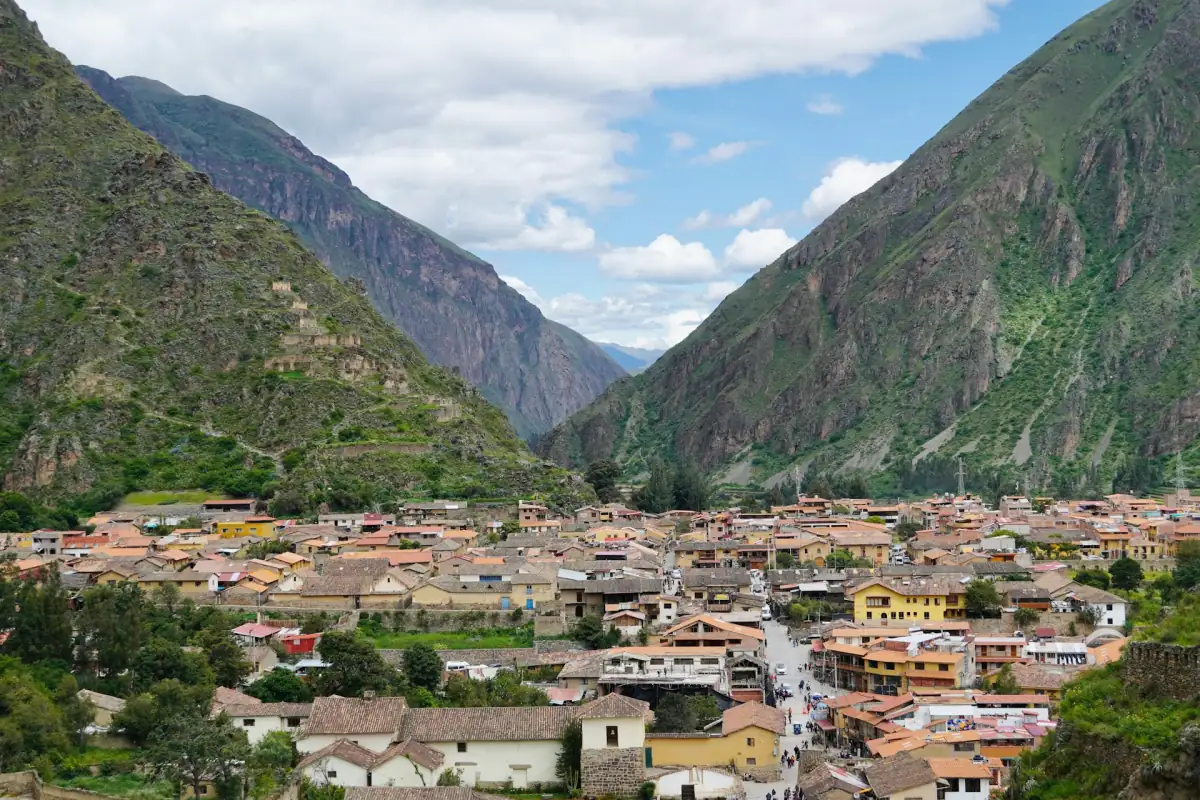
Weather and access planning
Separate historical seasons, trail maintenance and the site visit calendar.
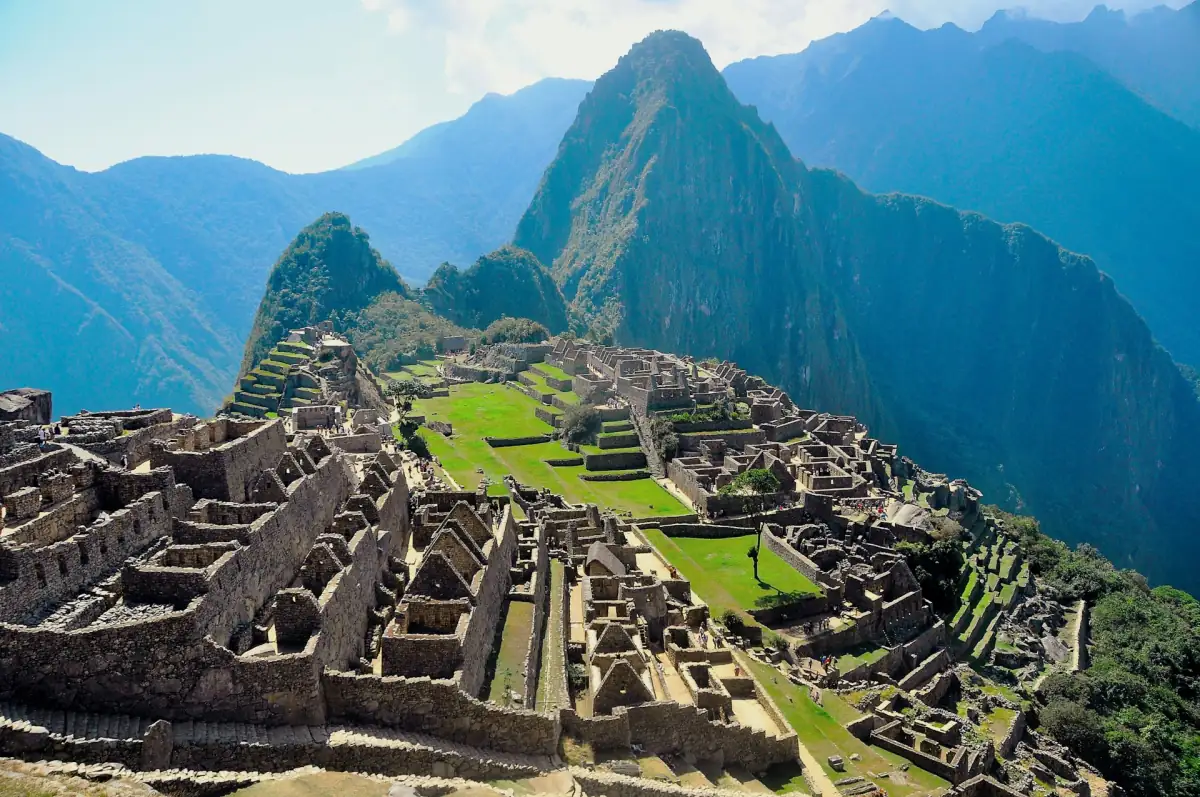
Visit by train instead
Compare day packages using the railway from Ollantaytambo.
Use the accommodation-area guide for the nights around your trek and the arrival guide for reaching Ollantaytambo. The briefing location remains part of that planning, even when your pickup is arranged from the valley.
Questions about the classic trek
Where does the walking begin?
The classic route begins at Piskacucho, Km 82, approximately 20 kilometres from Ollantaytambo. The organised pickup and transfer connect your accommodation with that separate trailhead.
Are sleeping bags and poles included?
Both options list sleeping bags, air mattresses and trekking poles as rental extras. The Circuits 1 and 3 package includes a sleeping pad and pillow, which are distinct from those rental items.
Which Machu Picchu circuit comes with the trek?
The camping package with a panoramic return train specifies Circuits 1 and 3. The alternative specifies Circuit 3. Mountain admission is separate, so keep the final site route in view when comparing the treks.
Does February maintenance close Machu Picchu itself?
The February 2026 notice concerned the trail network. Trail maintenance and visiting the Inca city are separate matters. For a future departure, use the access arrangements applying to that date.